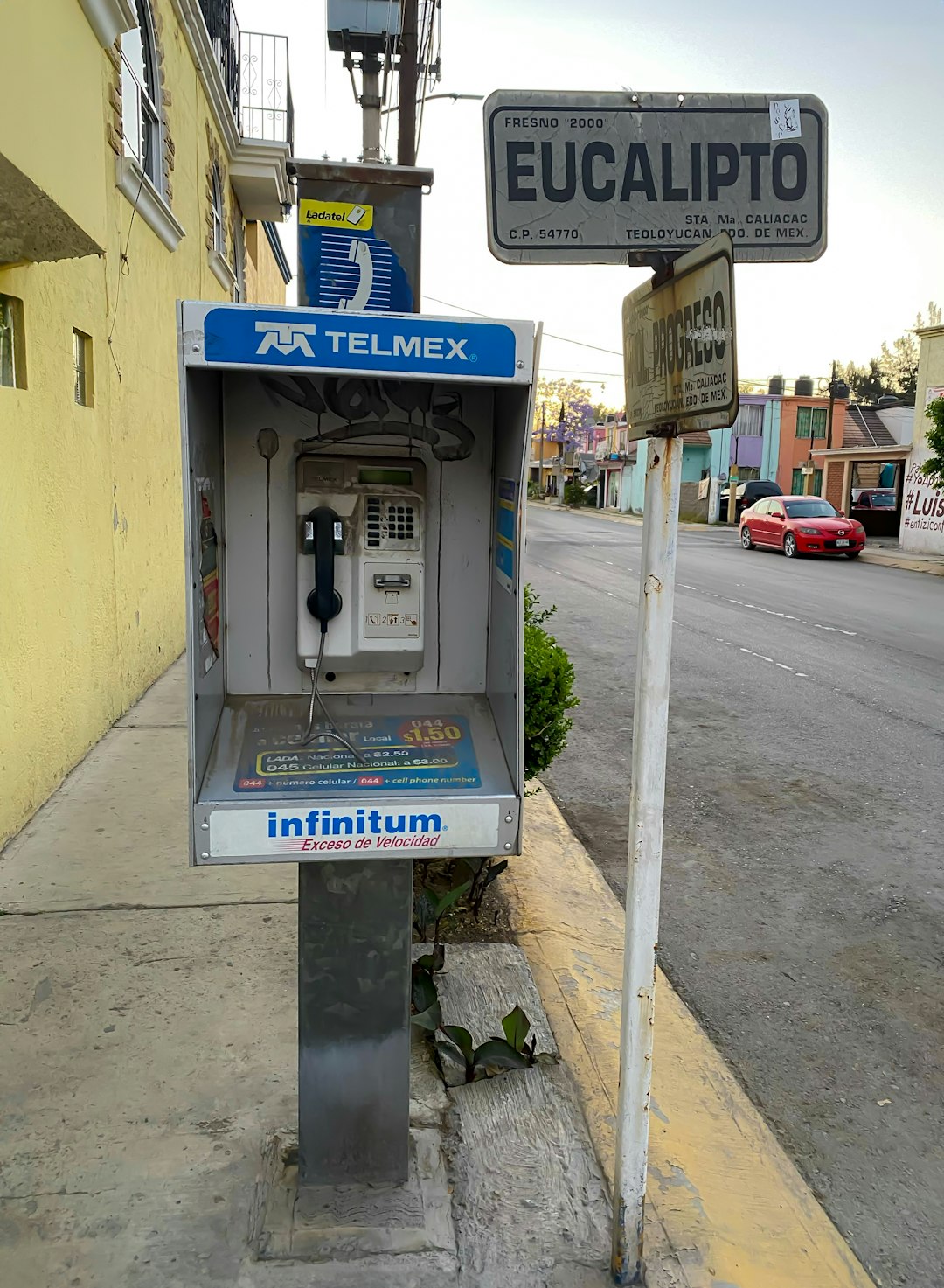
Robocall phishing scams, using advanced automated systems, pose a significant cyber threat to Minnesota businesses, requiring both technical and legal expertise to identify and mitigate. Key indicators include unusual call patterns and urgent language. Businesses should review call logs, implement security measures, stay informed about tactics, and engage a lawyer specializing in spam calls for guidance navigating stringent state regulations like the TCPA and PUC rules, ensuring compliance and protecting against fines. Collaborating with cybersecurity experts and adopting advanced call screening technologies further bolster defenses. A lawyer for spam call Minnesota offers tailored strategies for a safer digital environment.
In today’s digital landscape, businesses face an evolving threat from sophisticated phishing attempts utilizing robocall technology. This malicious practice poses a significant risk to companies across various industries, potentially leading to data breaches and financial losses. As these attacks become more prevalent, safeguarding against them is paramount for any forward-thinking organization.
This article presents The Rogers Guide, offering practical strategies to protect your business from robocall-based phishing scams. We’ll delve into the nuances of this growing problem and provide expert insights tailored to help Minnesota businesses, with a focus on employing effective countermeasures. By following these guidelines, you can fortify your defenses against these insidious attempts, ensuring the security and integrity of your operations.
Identifying Robocall Phishing Schemes: A Lawyer's Perspective

Robocall phishing schemes have evolved into a significant cybercrime threat, targeting businesses across industries. As these attacks become more sophisticated, it’s crucial for business owners to be able to identify them. From a lawyer’s perspective, understanding the legal implications and strategies to mitigate such threats is paramount. In Minnesota, where spam call laws are stringent, businesses must remain vigilant against these deceptive practices.
Lawyers specializing in cybersecurity and spam calls advise that one of the primary indicators of phishing attempts is the use of automated dialing systems, often disguised as legitimate organizations or government agencies. These calls typically deliver scripted messages, urging recipients to provide personal information or financial data. For instance, a common scheme involves impersonating a tax authority, demanding immediate payment to avoid legal consequences. Such scams exploit people’s fear and lack of technical understanding, making them highly effective.
Identifying these schemes requires a combination of technical acumen and legal knowledge. Minnesota-based lawyers recommend staying alert for unusual call patterns, suspicious requests, and urgent language. Regularly reviewing call logs and implementing robust communication security measures can significantly reduce the risk. Additionally, staying informed about evolving phishing tactics through industry updates and legal resources ensures businesses are prepared to protect themselves and their clients from these insidious attacks.
Protecting Your Business: Legal Strategies Against Spam Calls

Robocall phishing has become an increasingly sophisticated and pervasive threat to businesses across various sectors. As automated calls continue to evolve in complexity, so must the legal strategies employed to combat them. One effective approach involves leveraging robust legal frameworks to hold perpetrators accountable and deter future spam call campaigns. In Minnesota, for instance, a lawyer for spam calls can play a pivotal role in navigating these complex regulatory environments.
Key legislative tools at their disposal include the Telephone Consumer Protection Act (TCPA), which restricts the use of automated dialing systems and requires prior consent for text messages and certain phone calls. The Federal Trade Commission (FTC) enforces these regulations, imposing substantial fines on violators. Businesses should stay abreast of FTC actions against robocallers, as they often set precedents and shape future legal strategies. Furthermore, Minnesota’s Attorney General’s Office actively prosecutes spam call cases, underscoring the state’s commitment to protecting consumers and businesses from fraudulent activities.
Practical steps include implementing robust caller ID verification systems and training staff to identify suspicious calls. Businesses should also establish clear policies regarding the handling of unknown or unwanted calls, empowering employees to block or forward such calls for further investigation. Collaborating with industry peers to share intelligence on emerging threats can significantly enhance security measures. Engaging a lawyer specializing in spam call cases in Minnesota can provide invaluable guidance, ensuring compliance with local and federal regulations while offering tailored strategies to mitigate robocall phishing attempts effectively.
Minnesota Laws & Best Practices for Combating Robocalls

In Minnesota, robocall-based phishing attempts have become increasingly sophisticated, posing a significant threat to businesses across various sectors. The state’s robust telecommunications landscape, with high call volumes and diverse consumer behavior, makes it an attractive target for cybercriminals. Understanding Minnesota laws and best practices is crucial in fortifying your business against these attacks. A lawyer for spam calls in Minnesota can offer specialized guidance tailored to the state’s regulatory framework.
Minnesota’s regulations, as outlined in the Minnesota Public Utilities Commission (PUC) rules, provide a comprehensive approach to combating robocalls. The PUC has implemented strict do-not-call lists and requires telephone marketers to obtain explicit consent before making automated calls. Moreover, businesses must comply with the Telephone Consumer Protection Act (TCPA), which restricts the use of automated dialing systems without prior express consent. A key strategy for defense is to implement robust opt-out mechanisms on all marketing campaigns, ensuring consumers can easily revoke permission. For instance, a Minnesota-based retail company recently faced significant fines due to its failure to honor do-not-call requests, highlighting the importance of adhering to these regulations.
To enhance protection, businesses should adopt best practices such as implementing advanced call screening and blocking technologies. Working with cybersecurity experts and utilizing artificial intelligence can help identify and block suspicious calls. Regularly reviewing and updating privacy policies and training employees on recognizing phishing attempts are also essential. By staying informed about evolving laws and employing cutting-edge solutions, Minnesota businesses can stay ahead of cybercriminals, ensuring a safer digital environment for their operations.
About the Author
Dr. Emma Johnson is a renowned cybersecurity expert and lead researcher at CyberSafe Solutions. With over 15 years of experience, she holds multiple certifications, including the CISSP (Certified Information Systems Security Professional) and CRISP (Computer Network Security Professional). Dr. Johnson is a regular contributor to Forbes and an active member of the International Association for Information Security. Her primary focus is on protecting businesses from evolving cyber threats, with a special expertise in robocall-based phishing defenses.
Related Resources
Federal Trade Commission (FTC) (Government Portal): [Offers official guidance and warnings about robocall scams and phishing attempts.] – https://www.consumer.ftc.gov/
SANS Institute (Cybersecurity Organization): [Provides in-depth research, training, and certification for cybersecurity professionals, including robocall fraud prevention.] – https://www.sans.org/
Verizon Business (Industry Leader): [Offers practical tips and resources for businesses to protect themselves from various cyber threats, including robocall phishing.] – https://www.verizon.com/business/security/
University of Maryland, Cyber Security Education Program (Academic Study): [Presents academic research on the psychology behind phishing attacks and effective countermeasures.] – https://csep.umd.edu/
National Cyber Security Alliance (NCSA) (Community Resource): [A non-profit dedicated to online safety, offering educational materials and awareness campaigns about phishing and other cyber threats.] – https://staysafeonline.org/
Cisco Talos (Security Research Group): [Publishes research on emerging cybersecurity threats, including detailed analyses of robocall phishing campaigns.] – https://talosintelligence.com/